Water Where it Counts with Ollas
Learn how to use ollas for watering plants

Learn how to use ollas for watering plants

The 2015 Heirloom Expo was another huge success. I had the pleasure of giving a talk to a full house about Growing Food in the Drought. The rest of the time I was wandering amidst the beauty, sampling wholesome food, listening to top-notch bluegrass music, and meeting some of our fearless leaders in the movement toward seed freedom. Please allow me to gloat for a moment. Being a speaker (and having a blog) affords one the opportunity to chat with…
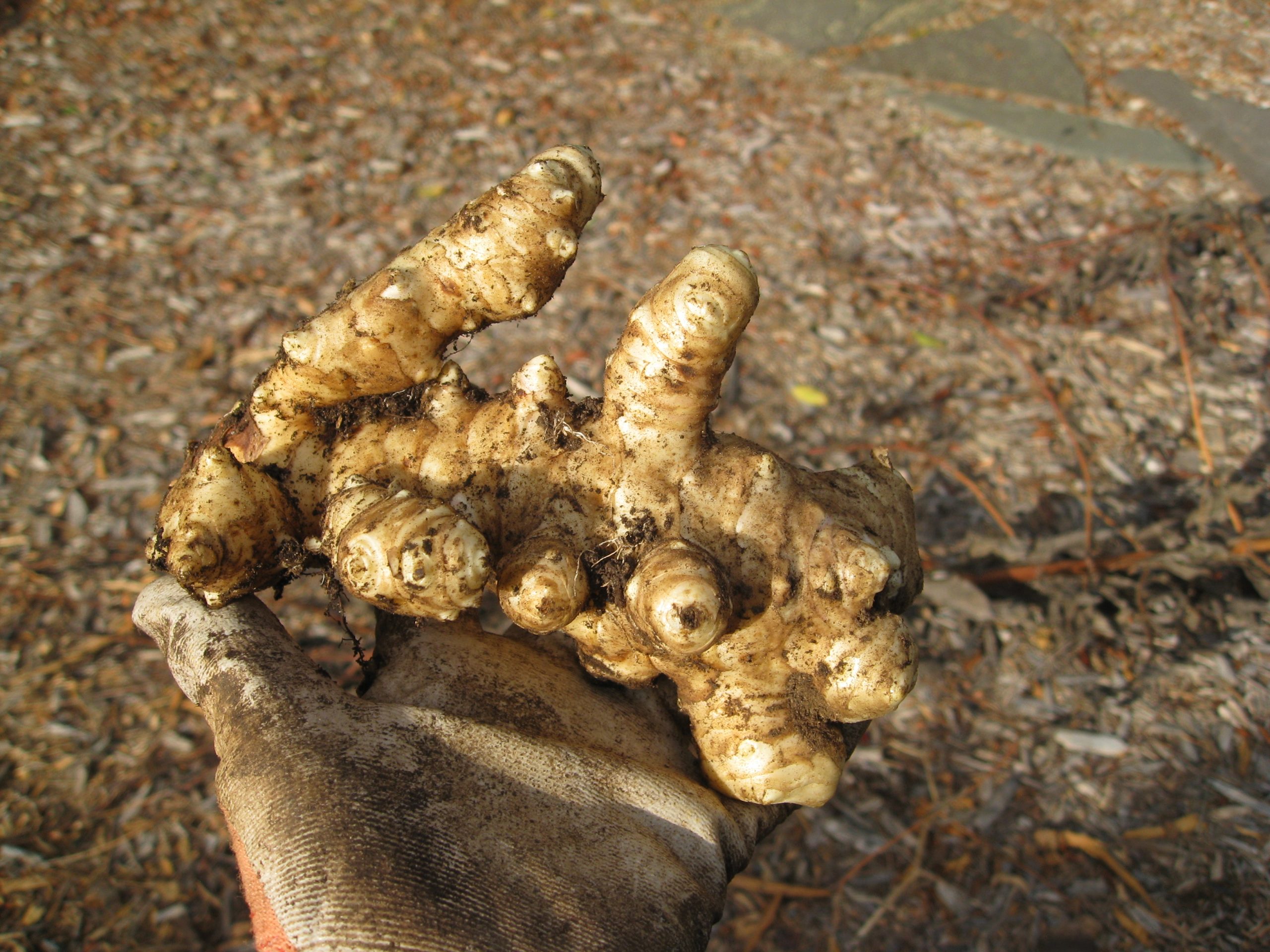
It's been 9 months since we planted the three Jerusalem Artichokes that had sprouted in the fridge. Now the plant has dried up and it's time to harvest. Most guide books tell you not to harvest until after frost, but here in Southern California things are different (heck, we planted in December, so that should tell you something). The flowers on our massive sunchoke stalk are long gone and the leaves and stems are crispy brown. The biodegradable pot has…
Do not forget to water your trees during the drought
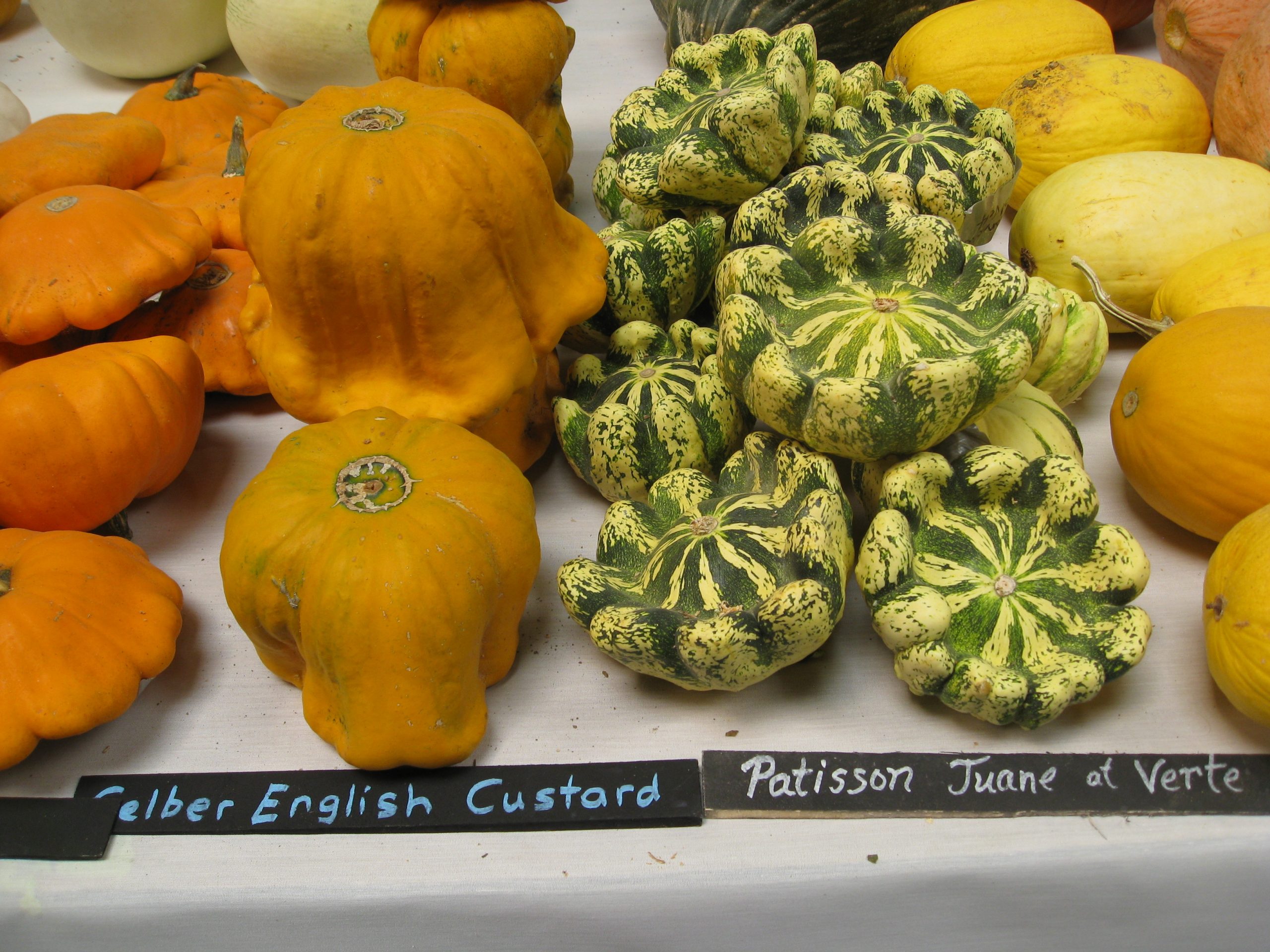
It's hard to keep the beauty of the Heirloom Expo to oneself. Enjoy a few images for the week: Stay tuned for more from the Heirloom Expo!
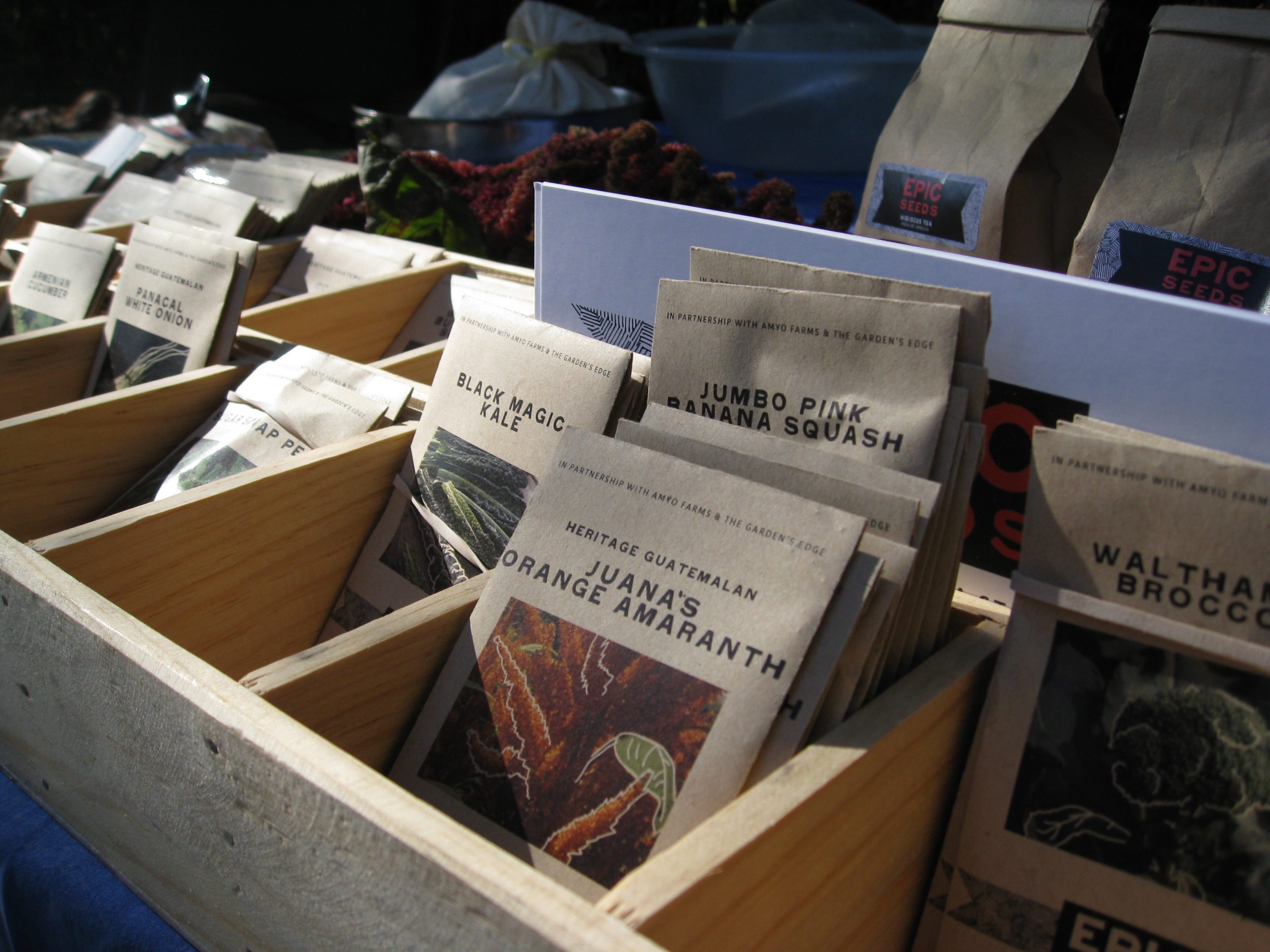
The Seed Library of Los Angeles recently hosted a dinner with visiting Qachuu Aloom Farmers as they journey up to the Heirloom Expo this coming week. David King at the Learning Garden (home of SLOLA meetings) invited me to attend, and learn about how these native Guatemalan farmers harvest and save seeds for amaranth and other crops. We got more than we bargained for during this dinner event. Not only did we eat well, but we learned tricks for how…
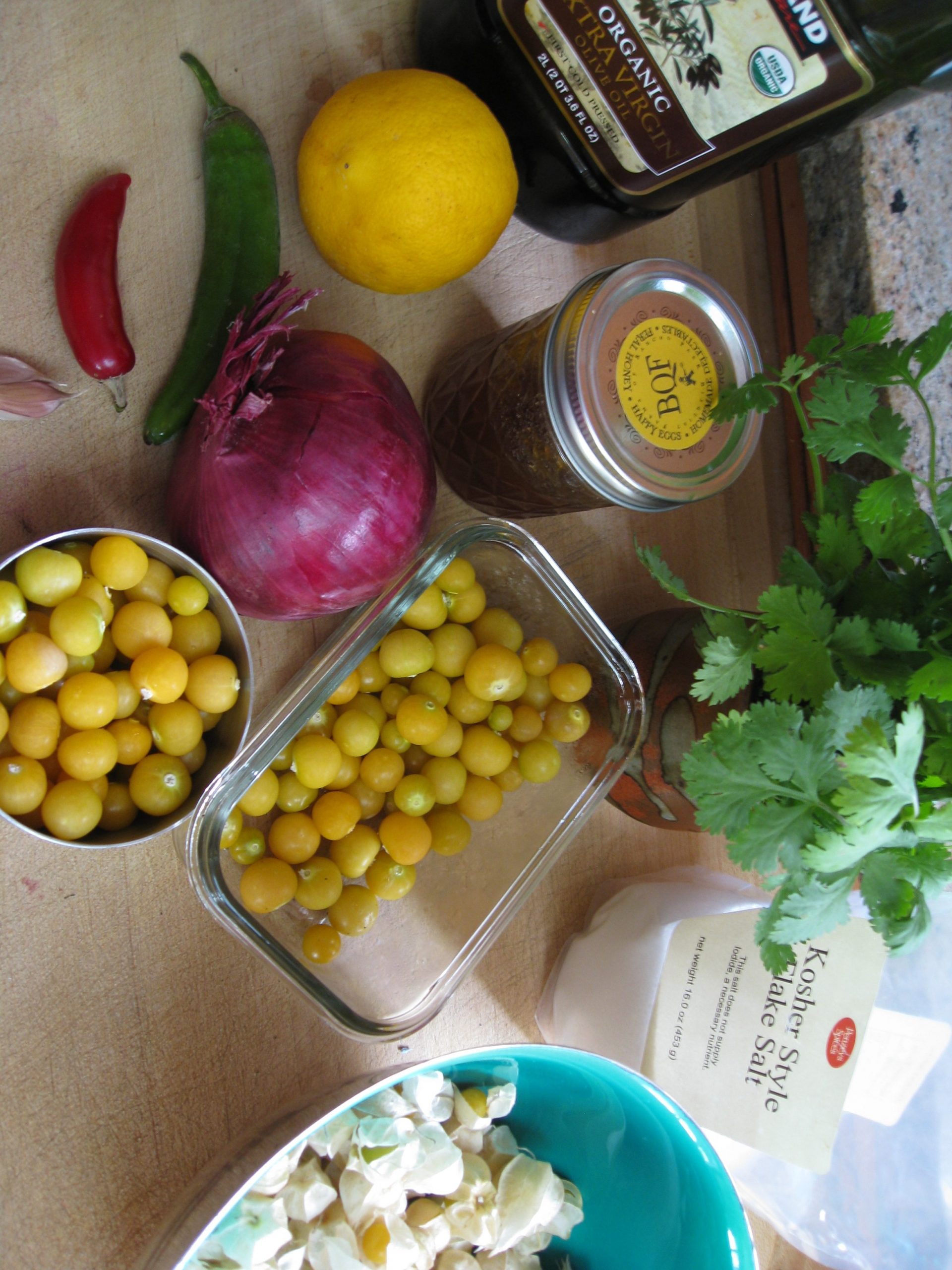
We grew ground cherries for the first time this year. Having been previously under the impression that they only grow in northern climates, ground cherries were never something we considered growing here in the south. Now that we're full-up on golden ground cherries, it's time to do something with them. Ground cherries taste like a tropical fruit crossed with a tomato. If you love sweet/savory combinations, you'll find this fascinating fruit. When making recipes, our goal is to make food…
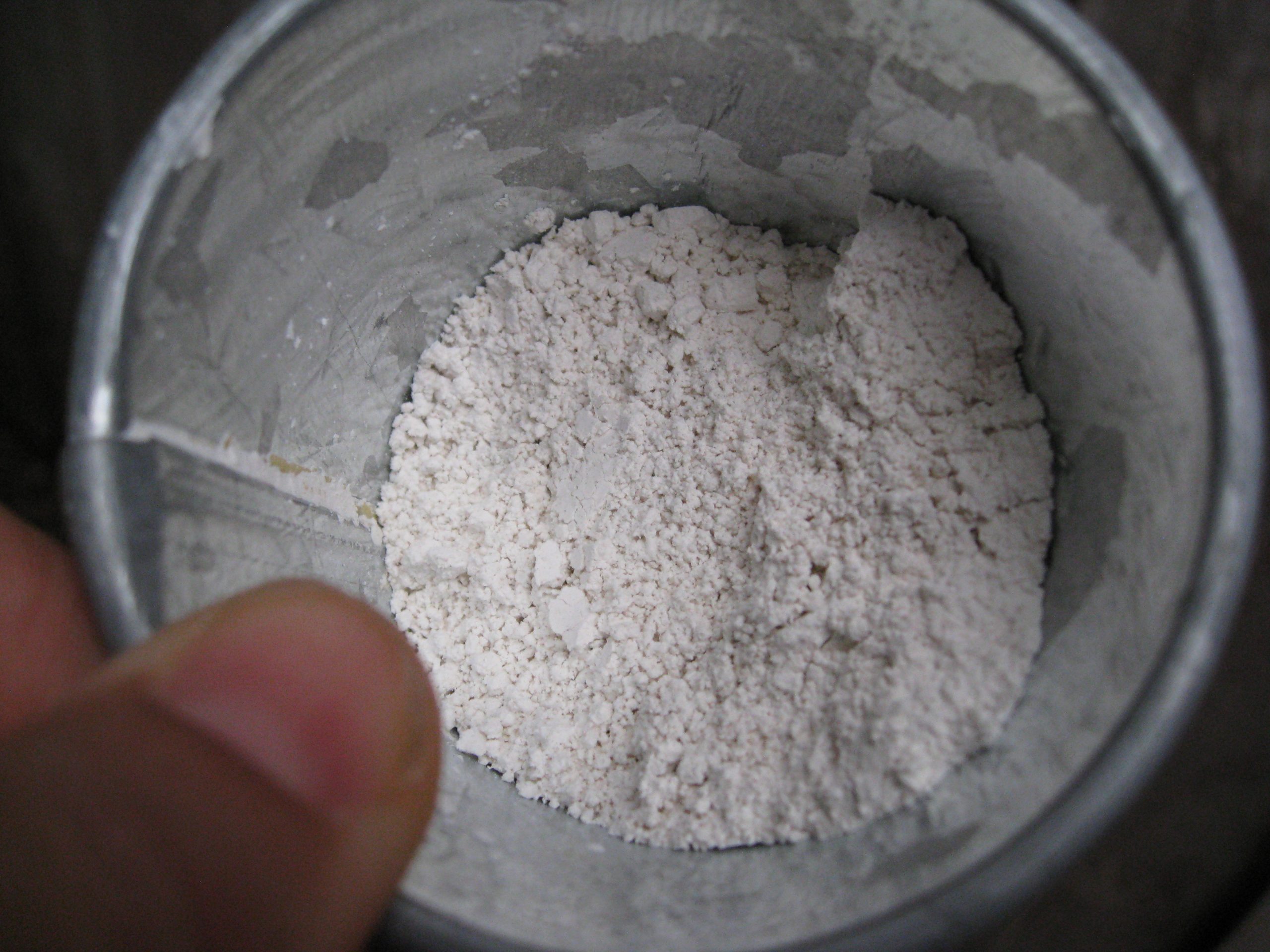
Here's a new question that came in this week: " I have a ton of roly poly bugs in my raised beds right now... They at the roots/stems of my last round of cucumbers and I would like to get rid of them without hurting my worm population. Can I use Diatomaceous earth? - Tia" Hi Tia, Yes, you can use diatomaceous earth (DE) to get rid of the pill bugs (A.K.A. roly poly) without hurting your worm population. Diatomaceaous…
Come see Dr. Vandana Shiva talk about her work promoting heritage seed and her new book Soil Not Oil