YouTube: Saving Celery & Dill Seeds
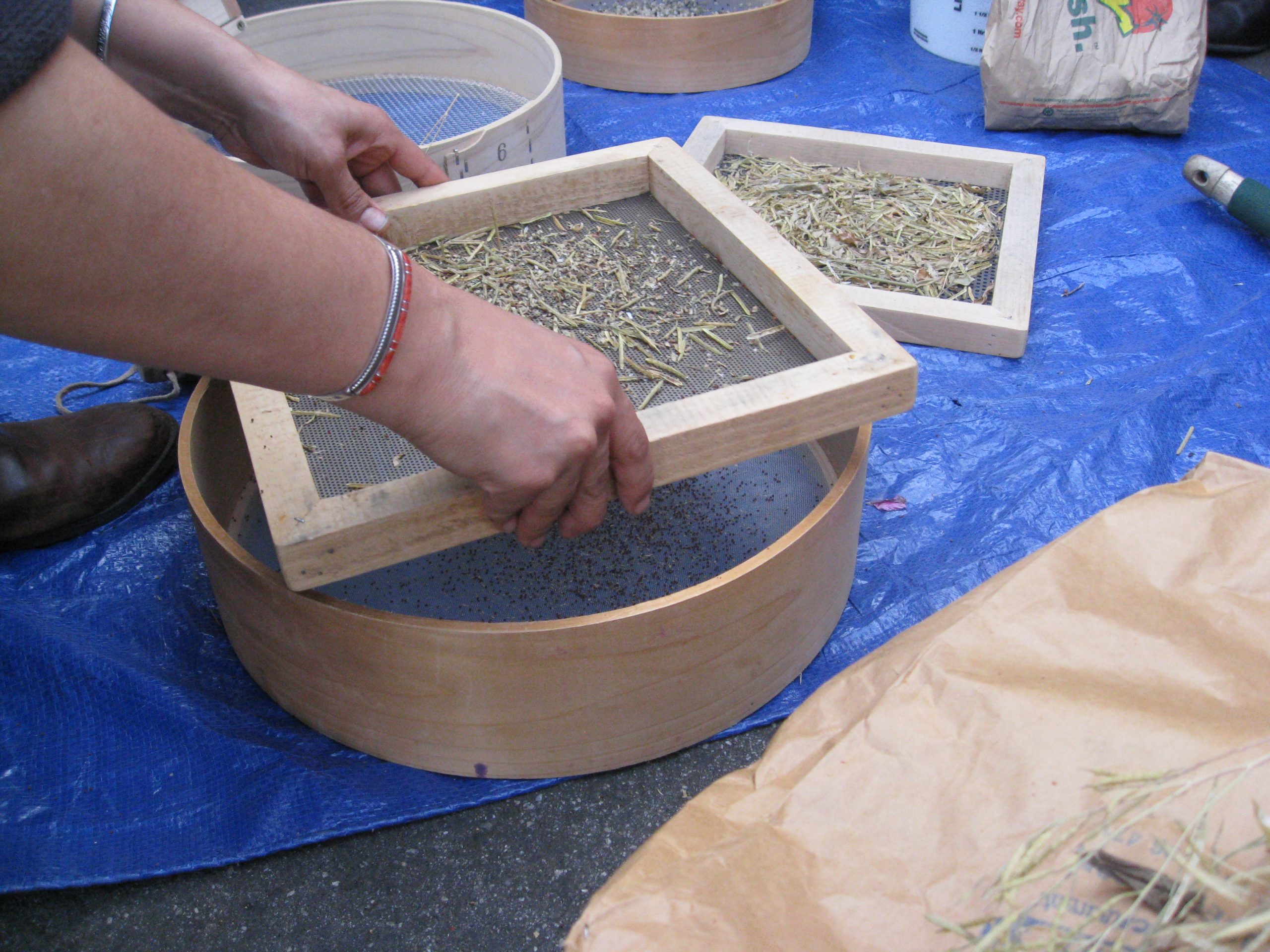
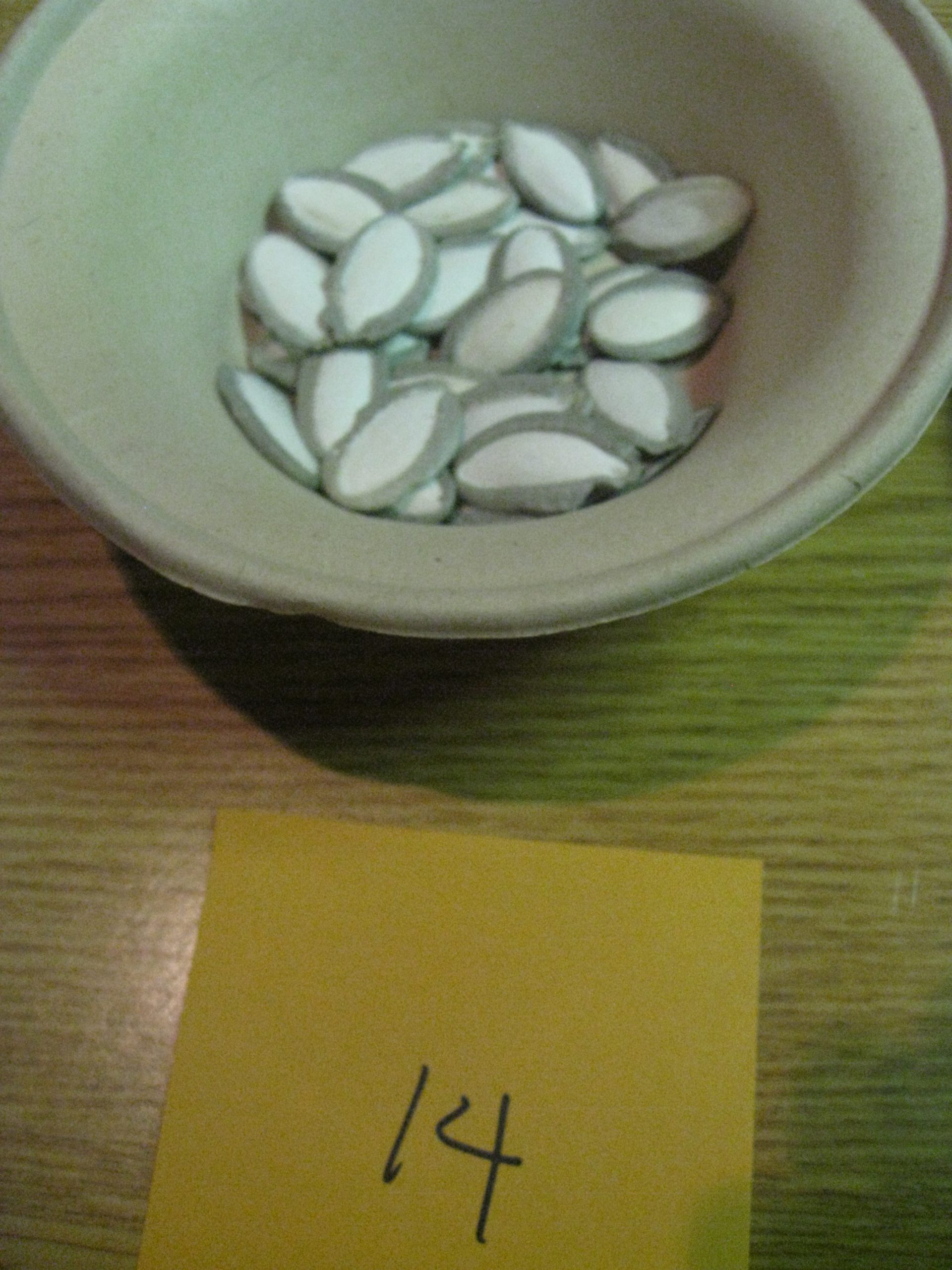
This week's YouTube video is all about saving celery and dill seeds. They are easy to save and abundant in supply.
Last week I was invited to geek out with the guys at Organic Solution, a Southern California worm castings company. A pleasant drive out to Camarillo yielded more than just an earful of good-for-the-garden tidbits. These guys are elbow deep in the best worm castings around. Located next to McGrath Family Farms, a certified organic produce company selling to local farmers markets, Organic Solution mixes up batches of premium worm castings, vermachar (worm castings mixed with biochar), and shelf-stable worm…
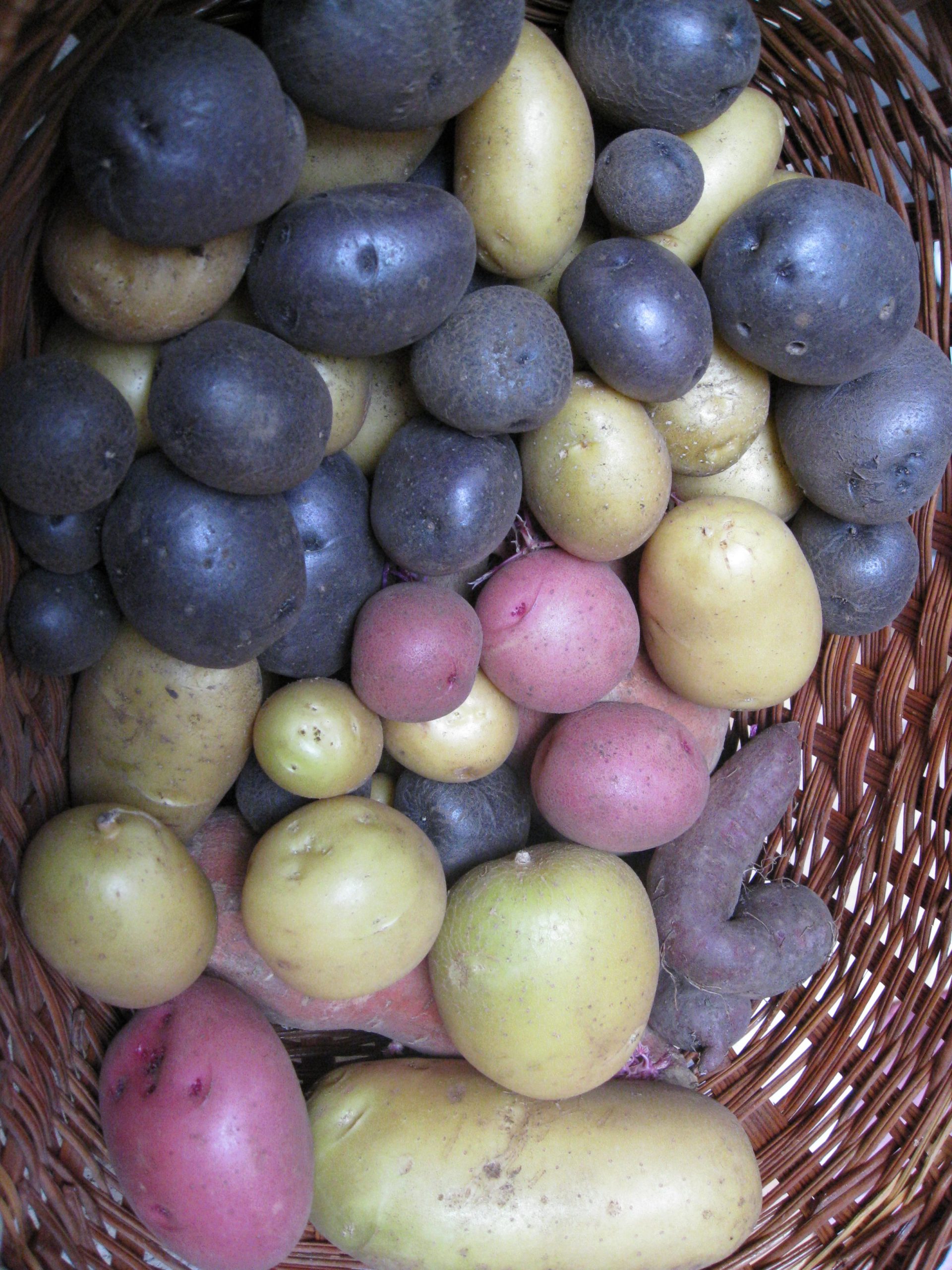
Our latest YouTube video is live, and it's all about planting potatoes in pots. Here in Southern California we can plant potatoes in fall or spring. For those in cooler climates, you may have to wait until spring, but here's something to keep you learning through the winter: https://youtu.be/AbsZYZAx46o We have plenty of blog posts on how to grow and harvest potatoes no matter where you live. Check out these links for details about planting potatoes, harvesting and growing in…
Late summer/early fall was the perfect time for harvesting honey, and while we've done it in the past on a small scale, our latest harvest required the right equipment to handle a larger batch. We looked to our friends at HoneyLove.org to help. As members of HoneyLove, we can check out community equipment instead of buying and storing bulky buckets ourselves. Believe me, this is the way to go. The harvest was light, since it was the first year, but…
Today's guest post comes from Rachel Thomas, an ex-babysitting pro as well as a professional writer and blogger. She is a graduate from Iowa State University and currently writes for www.babysitting.net. Today she's sharing information with us about preserving what we grow. Take it away Rachel... With plenty of gardening comes plenty of produce, but what can you do with all of it? You certainly can’t eat it all at once, and canning everything is a pain in the neck.…
While cooler climates are closing down the garden for winter, we're just getting started here in So-Cal. Fall gardening is commonly known as the "best" growing season here because we actually get rain, temperatures are cooler, and everything grows virtually bug-free. What's not to love? <moment of silence for places covered in snow right now> Fall gardening also features some of the "better" veggies (sorry tomatoes): lettuces, cabbages, broccoli, mustard greens, and kale. Here in the Gardenerd Test garden, we're…
For those following the path of the Monarch butterfly migration, and for those providing milkweed as habitat for them along the way, you'll be pleased to know that we have had a visitor over the past month in the Gardenerd Test Garden. When last we posted, we were starting to see eggs and tiny worms. In this post we'll share new "developments." At first we spied three caterpillars, but over time they became harder to find. We witnessed a spider…
In the quest for self-reliance, seed saving plays a big part. After all, in a "zombie apocalypse" situation you wouldn't be able to run to the store to buy seeds for your garden. You would need to produce your own supply. This is where a seed library comes in very handy. A seed library is a local endeavor, when you and your fellow gardeners gather seeds and share them in an orderly fashion. Seeds are catalogued and counted and made…
It's harvest time, and while most of the harvest is abundant (corn, peppers, beans, eggplant), there were some smaller harvests--including the world's smallest watermelon. Let's not call it "disappointing" but rather a celebration of underwhelm. We planted baby watermelons (okay, so there's a genetic head start on "small" right there) late in the season, following a garlic harvest as we often do, in late June or July. Plants took off and did very well setting fruit, but at some point…
I had the pleasure of taking a biodynamic apiculture class with Michael Thiele of Gaia Bees this past weekend. WOW. Talk about taking a different approach. Michael does not use smoke, doesn't wear a protective suit, and doesn't use conventional Langstroth hives to house bees. What he had to share was an entire day filled with alternatives to modern beekeeping. Just as with biodynamic farming/gardening, Michael guided the participants to view bees, the colony, the hive, and their entire process…