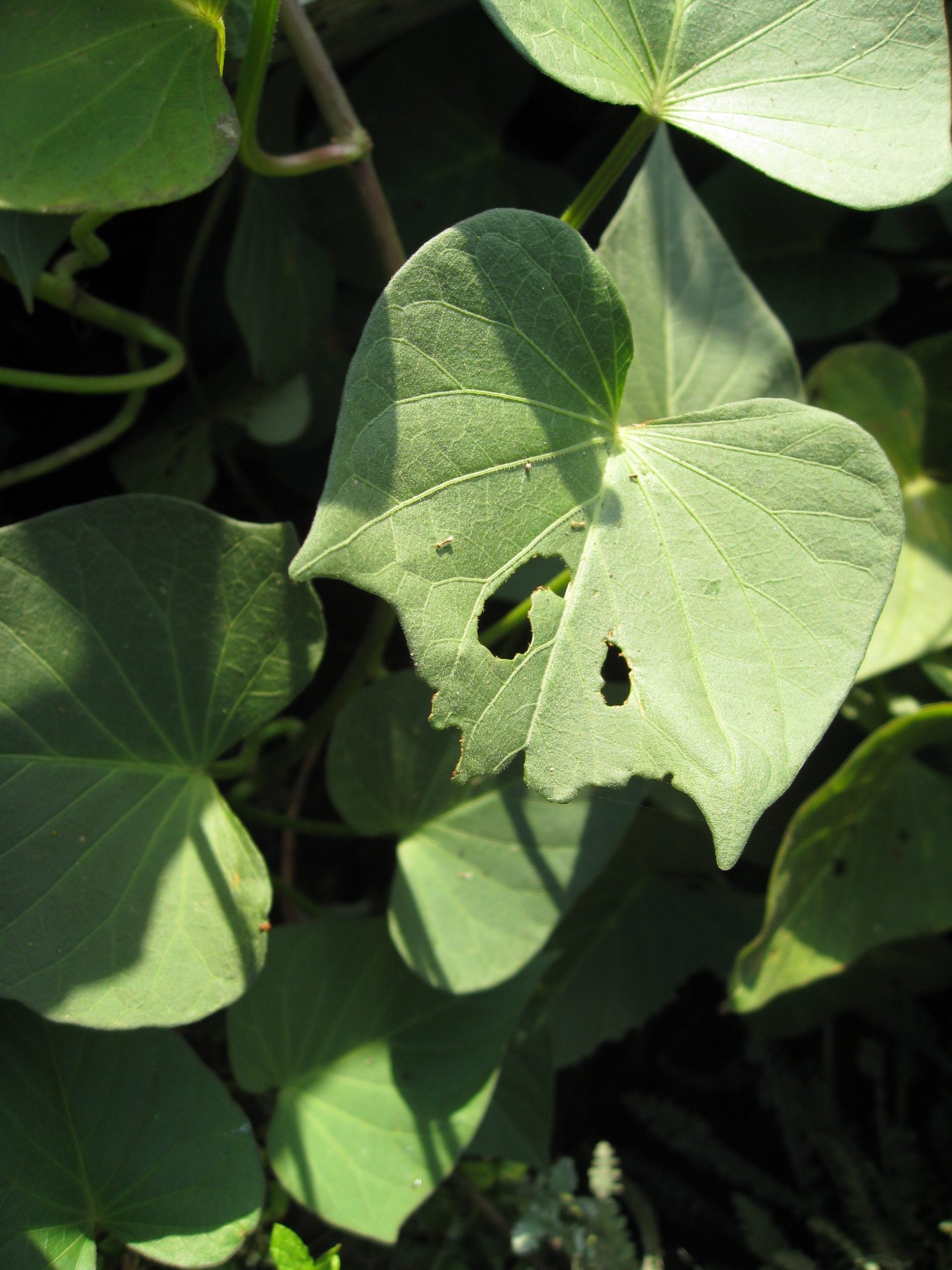
Grasshoppers bite chunks out of the sides of leaves, but can consume entire leaves over time.

Ask Gardenerd: Are Grasshoppers Bad?

Continue ReadingAsk Gardenerd: Are Grasshoppers Bad?

We love it when people ask about bugs before killing them. Better safe than sorry. You may be killing a beneficial insect, so please ask before taking action. Like Dora here: "Are grasshoppers bad for my garden? If so how can I get rid of [them] naturally?" Dora, we used to let grasshoppers wander the garden thinking they were good, until they eat one of our hibiscus plants down to a stick. Then they attacked our lemon tree and ate…
Read more about the article Homemade Fruit Fly Traps
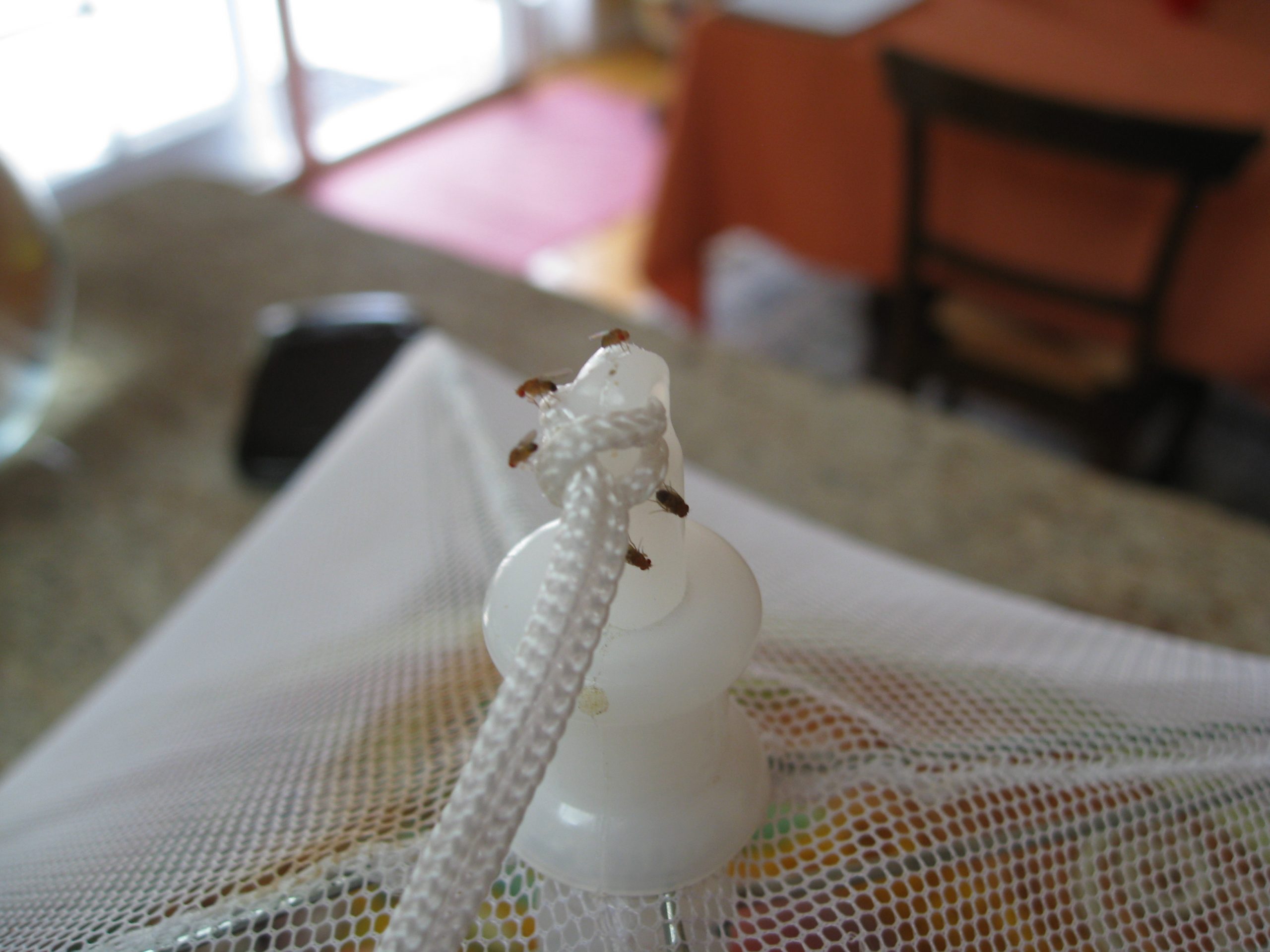
Invasive fruit flies plotting their attack

Homemade Fruit Fly Traps

Continue ReadingHomemade Fruit Fly Traps

They're everywhere! Tiny, annoying fruit flies, that is. They're trying to get into our tomatoes, peaches, nectarines, and plums. They're even breeding in our compost bucket. What to do? Break out the big guns. The lowly fruit fly has a very short reproductive cycle. The female Drosophila melanogaster (common fruit or vinegar fly) lays eggs about 5 at a time, which hatch and become adults in 4-19 days depending on the ambient temperature. Adults can live for up to 3…

Read more about the article Cats in the Garden: Our New Addition
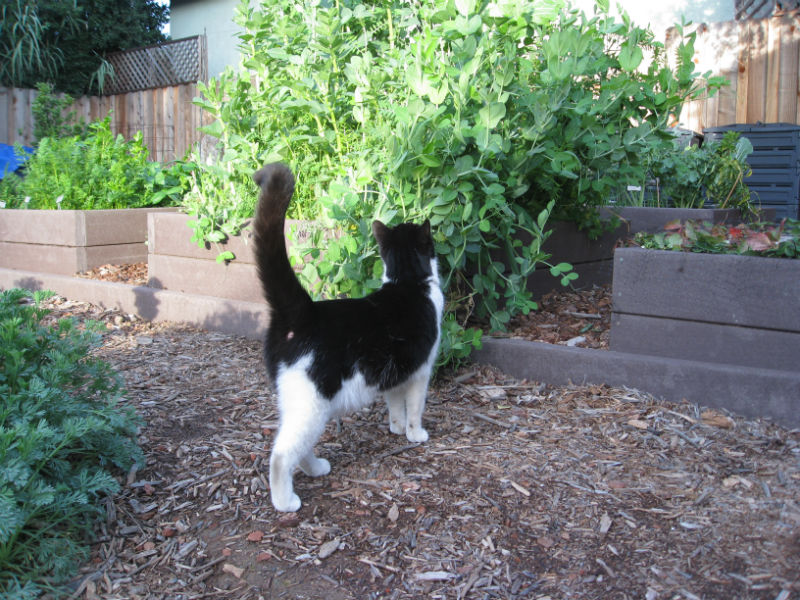
Mittens likes cover crops

Cats in the Garden: Our New Addition

Continue ReadingCats in the Garden: Our New Addition

There's a new member of our garden's ecosystem, and her name is Mittens. This little black and white cat arrived to our neighborhood in November, and has been courting us ever since. She won us over with her gentle regard and loving disposition, and the fact that she'd sit in my lap all day if I let her. Mittens investigated our back yard, watching our chickens but not attacking. That was the big test. If they could get along, she…

Beware the Citrus Psyllid

Continue ReadingBeware the Citrus Psyllid

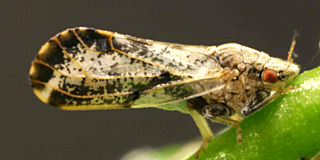
A not-so-new threat to America's citrus population has recently been found in Southern California. Almost 4,000 sightings of the Asian Citrus Psyllid, including in Riverside and Mar Vista, have been reported in 2011. The damage from the Psyllid can potentially send a citrus tree to its grave.

The Citrus Psyllid can be a carrier of a bacterial disease called Huanglongbing (HBL) or Citrus Greening disease, which causes the leaves to appear yellow with green veins, and the fruit becomes misshapen. Eventually the trees die.

...

End of content

No more pages to load